
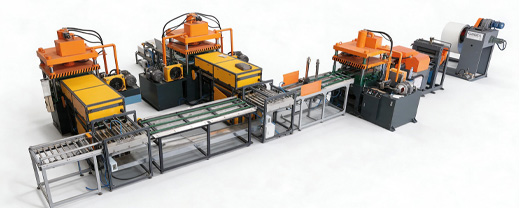
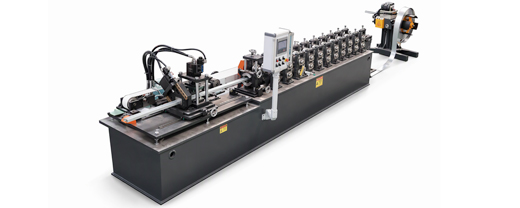
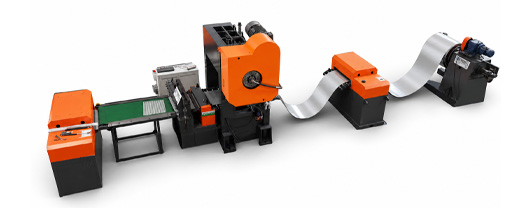
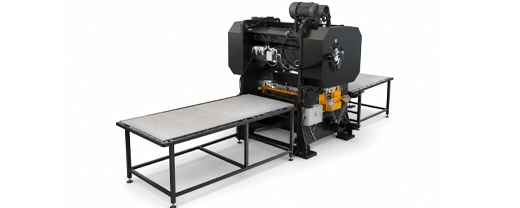


Metal bracket stamping machines facilitate the mass production of hardware brackets widely used in fields such as robotics, consumer electronics, automotive control systems, industrial machinery, and intelligent automation equipment. These brackets serve critical functions—including structural support, component positioning, and part fixation—acting as essential foundational elements that ensure the stable operation of various types of equipment.
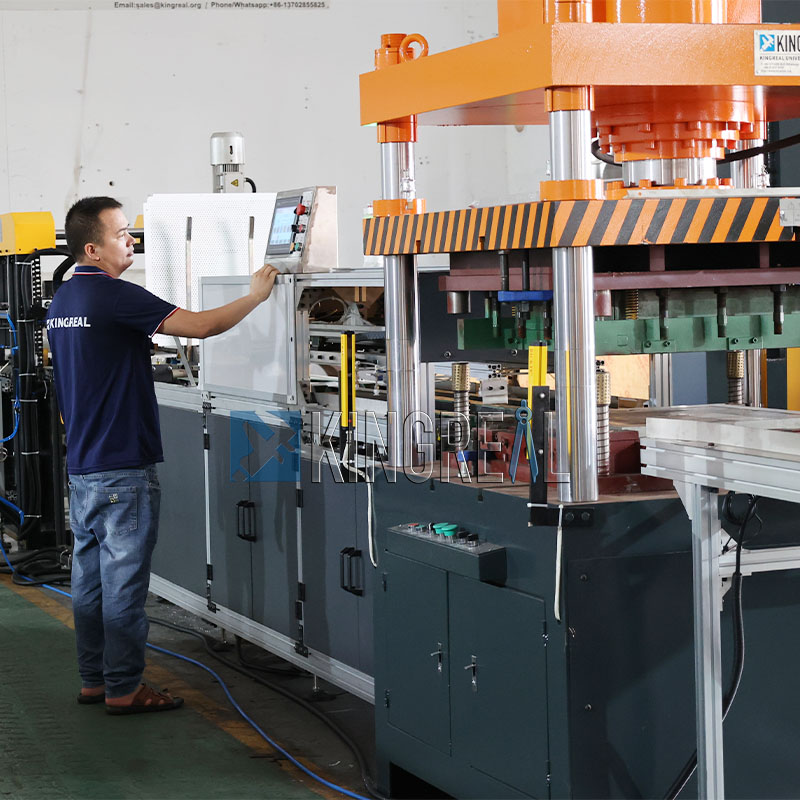
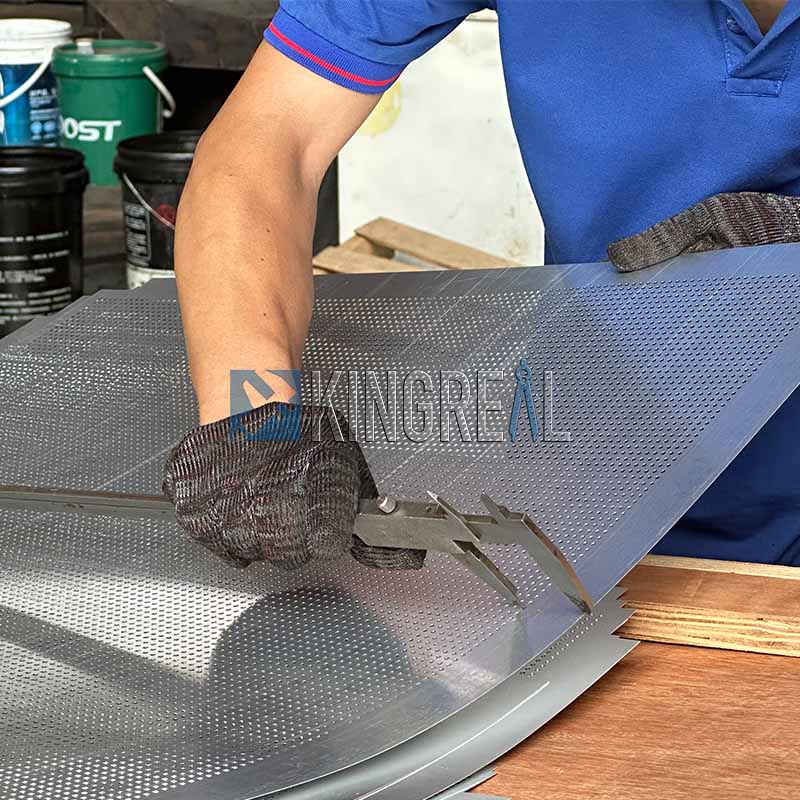
Standardized and automated metal bracket production lines enable the high-precision, highly consistent fabrication of sheet metal brackets. They allow for strict control over dimensional tolerances and surface quality, perfectly meeting the production requirements for precision hardware across diverse industries.
To help industry professionals gain a comprehensive understanding of metal bracket stamping machine applications, material selection, and equipment purchasing criteria, this article compiles practical industry knowledge into a professional, all-encompassing guide.
Common Materials and Applications for Metal Bracket Production Lines
The production quality and suitability of the finished product depend fundamentally on the selection of raw materials. Differences in properties—such as hardness, plasticity, corrosion resistance, and weight—directly influence the stamping process, equipment parameter settings, and the intended application of the finished parts.
1. Cold-Rolled Steel
The key advantages of cold-rolled steel include a smooth, flat surface, excellent plasticity, and stable stamping performance. It is compatible with various processes such as bending, punching, and blanking. Additionally, its low raw material cost and outstanding cost-effectiveness make it ideal for large-scale mass production on metal bracket stamping machines.
Leveraging the automation capabilities of metal bracket production lines, cold-rolled steel can be processed into various thin-walled brackets with precise dimensions and uniform appearance.
This material is primarily used for standard components—such as consumer electronics housings, general industrial mounting brackets, and internal equipment support plates—that do not require specialized corrosion resistance or extreme structural strength.
2. Stainless Steel
Stainless steel offers excellent resistance to acids, alkalis, corrosion, and oxidation. It also boasts high structural strength and durability, resisting deformation after forming, which makes it well-suited for the precision processing capabilities of high-precision metal bracket stamping machines.
Compared to ordinary steel, stainless steel places higher demands on die precision and stamping pressure parameters. Equipment must deliver stable pressure output and ensure precise die alignment to prevent issues such as cracking or burr formation during the stamping process.
Stamped brackets made from this material are widely used in applications such as outdoor equipment mounts, precision medical instrument brackets, and industrial fasteners for humid or corrosive environments.
3. Aluminum
Aluminum is lightweight and low-density, yet offers excellent corrosion resistance and ductility; it is easily bent, stretched, and formed, making it a core raw material for lightweight metal bracket production lines. These lines can optimize stamping speed and pressure based on aluminum's specific properties—preventing deformation or cracking—to efficiently produce lightweight, precision brackets.
Thanks to their lightweight nature, aluminum stamped parts are primarily used in sectors with strict requirements regarding self-weight and energy consumption, such as industrial robotics, drones, smart lightweight equipment, and mounts for new energy equipment.
4. Galvanized Steel
Galvanized steel features a built-in anti-rust zinc coating, eliminating the need for subsequent anti-corrosion spraying while offering excellent rust and corrosion resistance. It is also tough and cost-effective, making it ideal for standardized mass production on general-purpose metal bracket stamping machines.
When processing galvanized steel, metal bracket production lines can efficiently perform batch blanking, punching, and bending/forming operations with very high productivity. This material is mainly used for standard industrial components such as electrical cabinet mounting brackets, equipment installation bases, and general-purpose indoor mounting brackets.
5. Copper/Brass
Copper and brass possess excellent electrical conductivity, thermal conductivity, and heat resistance, along with good toughness and stability during the stamping and forming process.
Metal bracket stamping machines can precisely control stamping force based on the characteristics of copper materials, ensuring finished products are free from deformation or cracks while preserving the material's superior electrical properties.
Stamped parts made from these materials are primarily used in electrical and thermal management applications, such as conductive brackets for electrical equipment, electronic heat dissipation components, and precision circuit mounting hardware.
Key Considerations for Selecting and Customizing Metal Bracket Production Lines
Different operating conditions and product requirements dictate vastly different needs regarding equipment configuration, process capabilities, and precision parameters for metal bracket stamping machines. To select a line that offers strong adaptability, high production efficiency, and consistent product quality.
1. Material Thickness and Load-Bearing Requirements
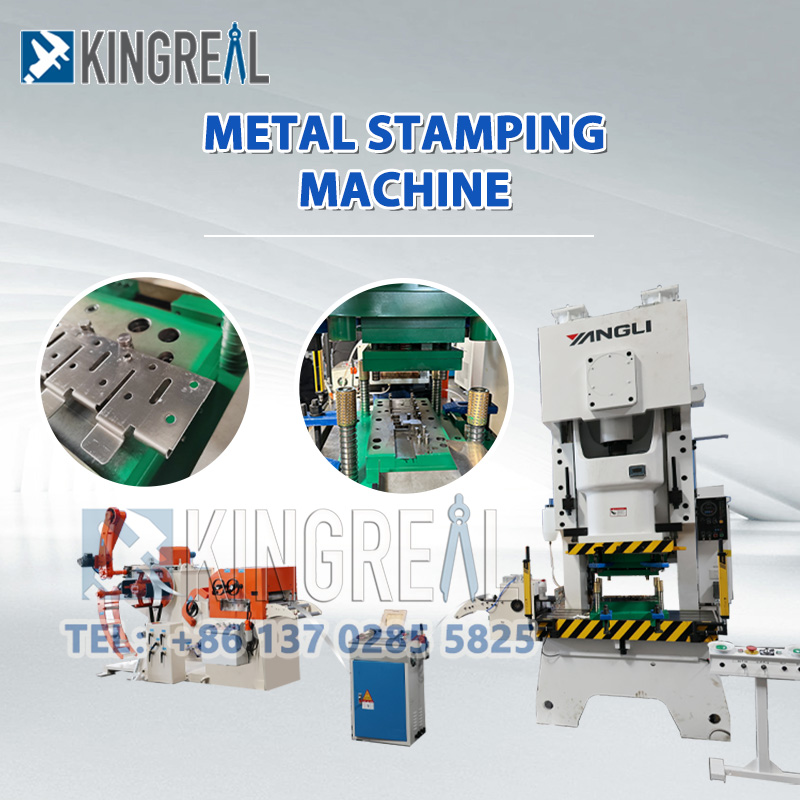
Greater sheet metal thickness necessitates higher stamping pressure and mold load-bearing capacity; this directly influences key parameters of the metal bracket production line, such as press tonnage, drive systems, and mold materials.
For the production of lightweight brackets made from thin materials, standard metal bracket stamping machines suffice for mass production, offering high operating speeds, low energy consumption, and high efficiency.
Conversely, producing heavy-duty industrial load-bearing brackets—which involve thicker sheets and higher load requirements—demands not only increased overall rigidity and tonnage from the metal bracket production line but also the incorporation of reinforcing rib structures.
Such specialized structures require custom-designed molds integrated into the metal bracket stamping machine to precisely execute rib stamping and forming processes, thereby ensuring the structural integrity and load-bearing stability of the heavy-duty brackets.
2. Structural Design and Process Requirements for Hardware Stampings
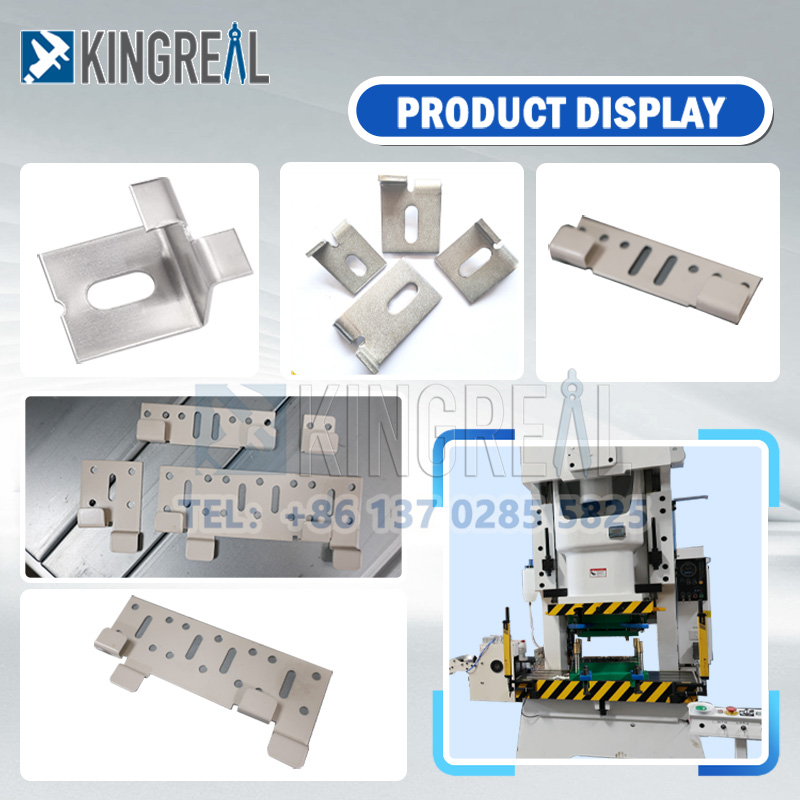
Manufacturing processes vary across the diverse range of hardware brackets available on the market, encompassing operations such as blanking, precision punching, multi-angle bending, rib stamping, integral forming, and trimming. While simple flat brackets require only basic stamping steps, complex, irregularly shaped brackets necessitate multi-stage, integrated processing.
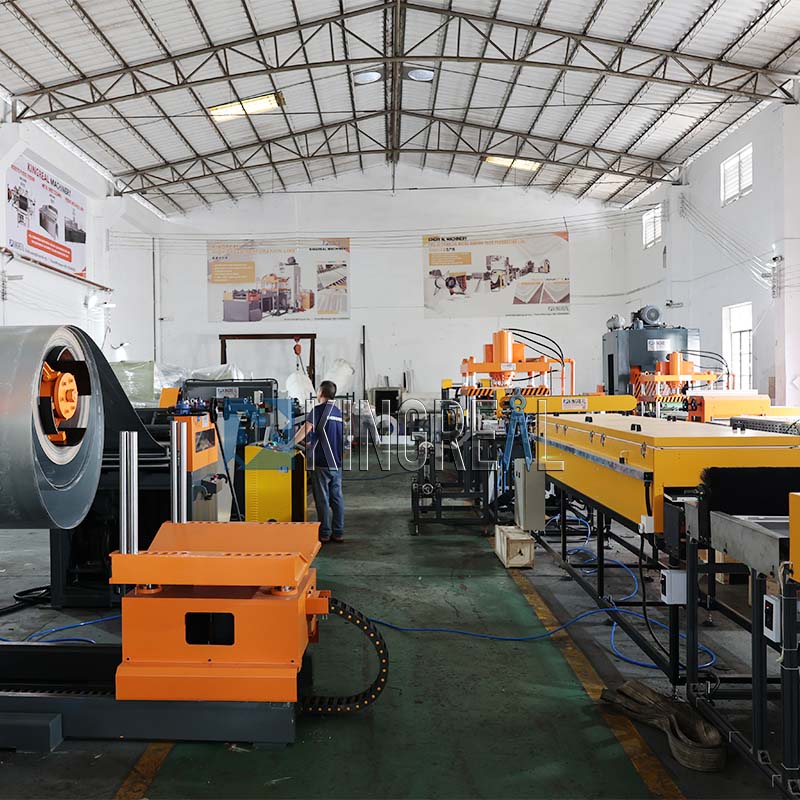
Consequently, the metal bracket production line must possess the capability to adapt to these process requirements, integrating multiple stamping stages based on product blueprints or specifications to achieve fully automated, unified production.
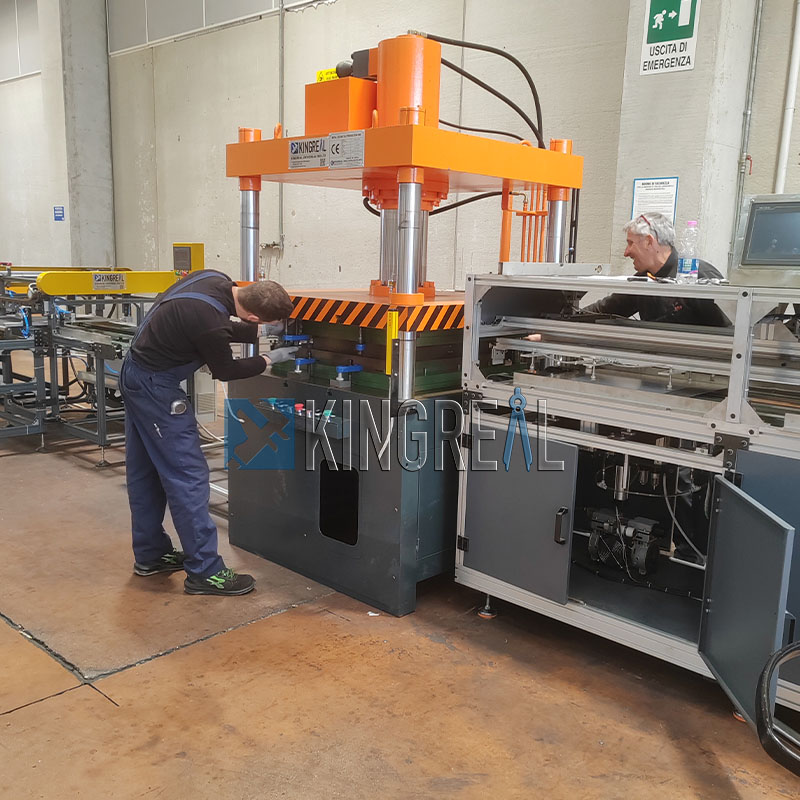
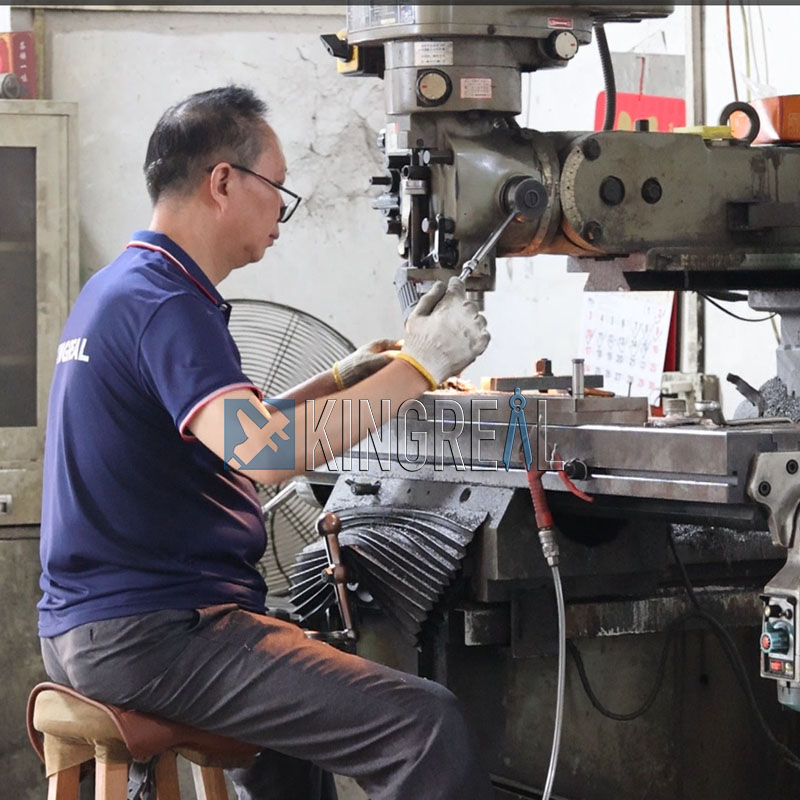
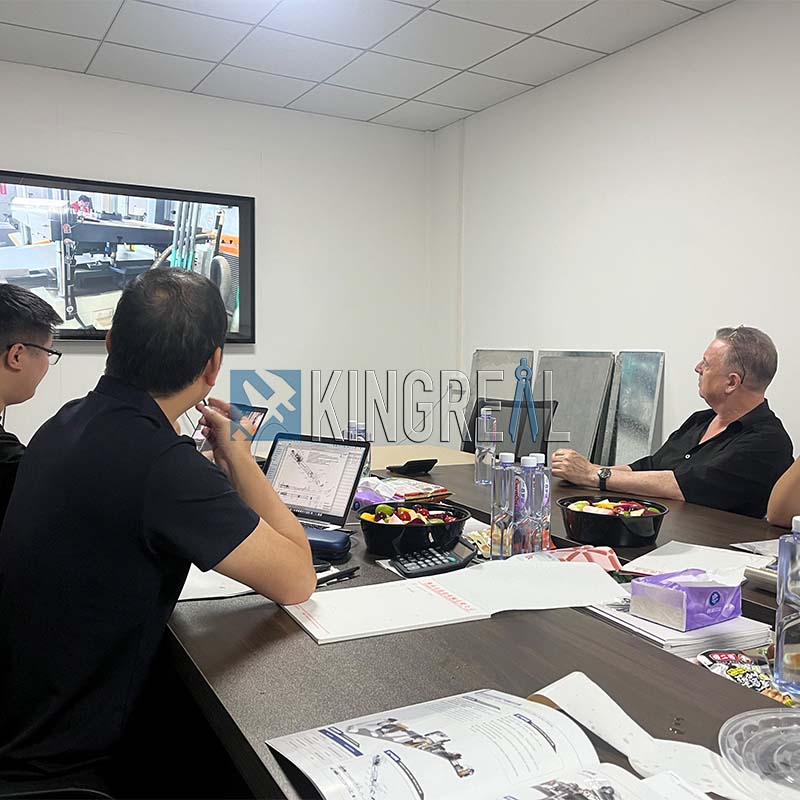
As a professional supplier with years of expertise in the R&D and manufacturing of metal bracket stamping machines, KINGREAL CEILING MACHINERY precisely meets the unique production needs of various clients. Backed by a seasoned technical team, the KINGREAL CEILING MACHINERY offers comprehensive customization—optimizing stamping precision, process workflows, and mold structures based on client-provided blueprints, samples, or production requirements.
This ensures the system is perfectly suited for manufacturing hardware brackets of varying materials, thicknesses, and structural designs, delivering finished products with precise dimensions, compliant structures, and consistent quality—ideally meeting the mass production demands for precision hardware brackets across diverse industries.
Only through the rational selection of raw materials, precise matching of equipment parameters, and the customization of stamping processes can one maximize the production advantages of a metal bracket production line, reduce manufacturing costs, and enhance product competitiveness in the market.
For more professional information regarding the selection, customization, and process optimization of metal bracket stamping machines, please feel free to contact KINGREAL CEILING MACHINERY for a tailored solution.