
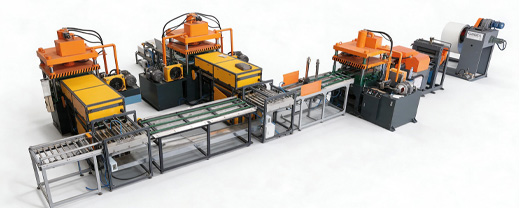
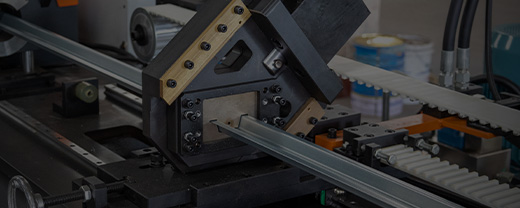
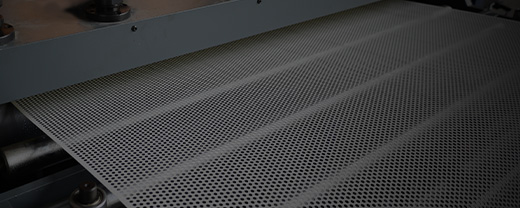
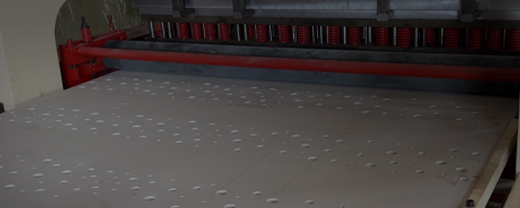

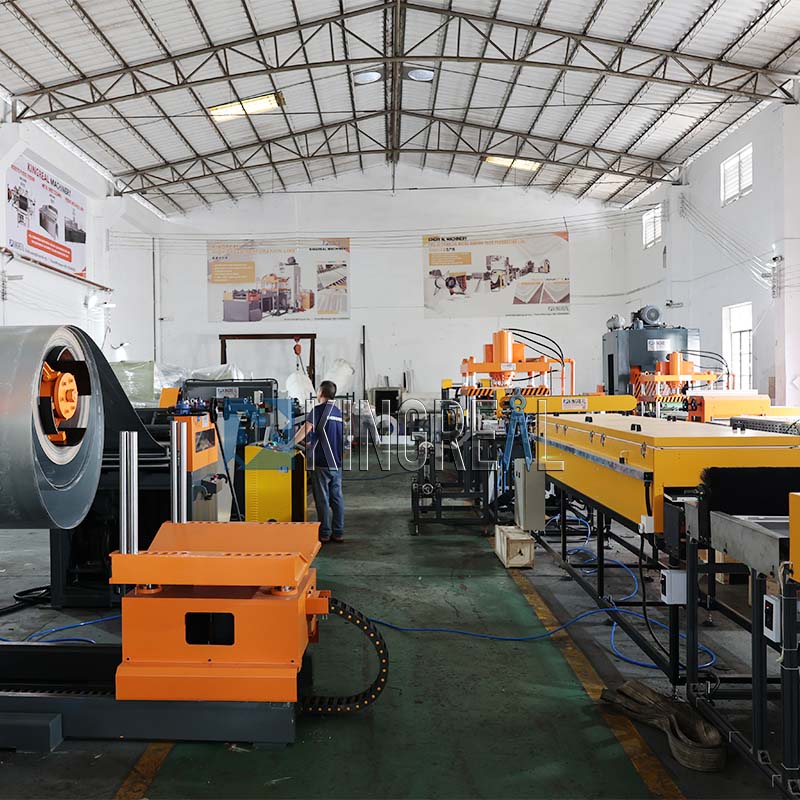
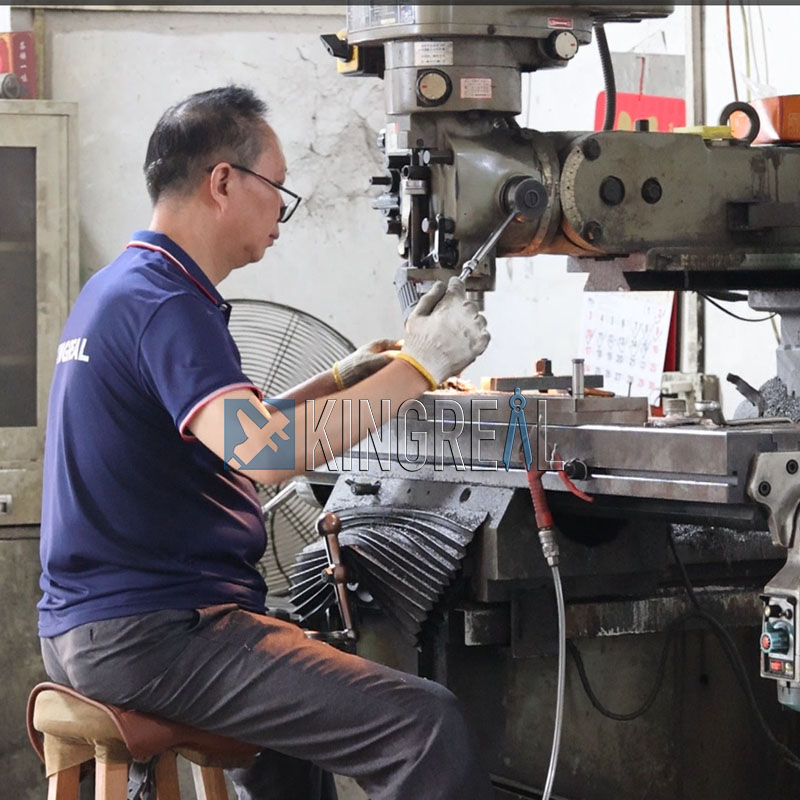
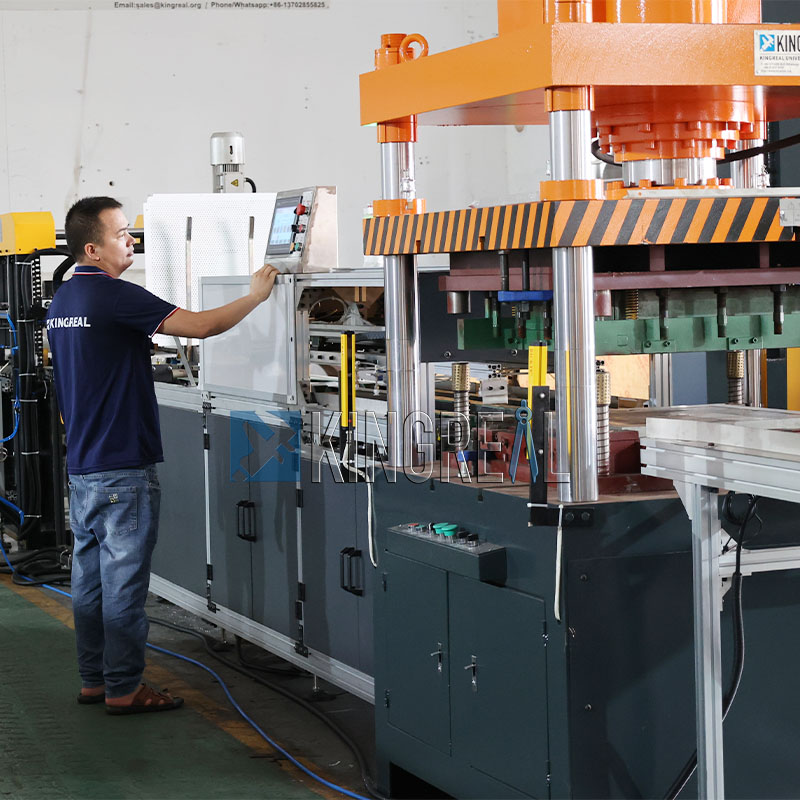
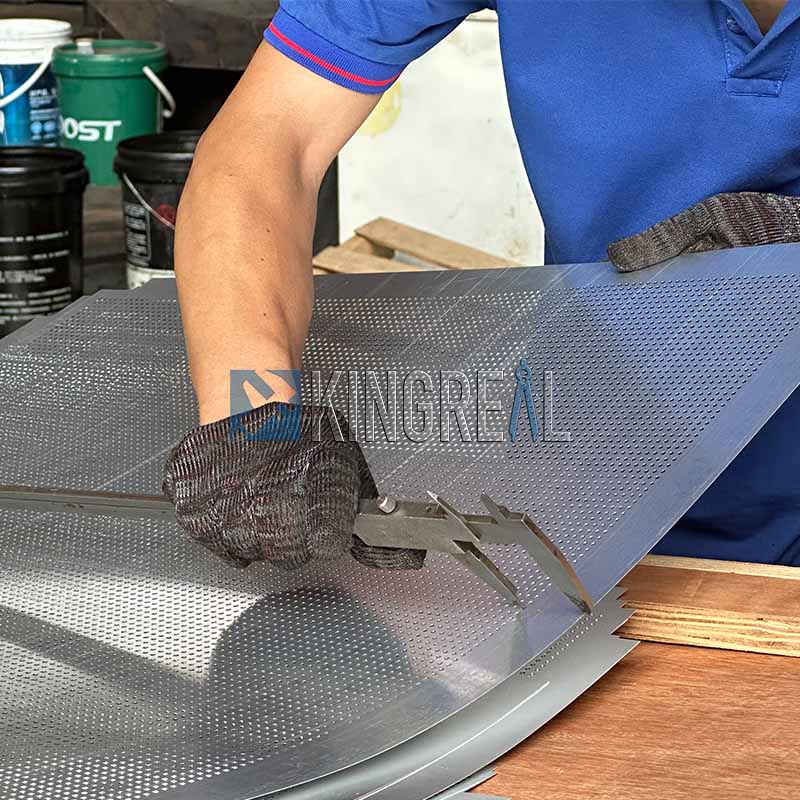
Last month, KINGREAL CEILING MACHINERY successfully completed the production of a custom-engineered open cell ceiling system for a client in Uzbekistan. The solution comprises three core machines: a grilyato ceiling machine, a ceiling wall angle forming machine, and a connection part stamping machine.
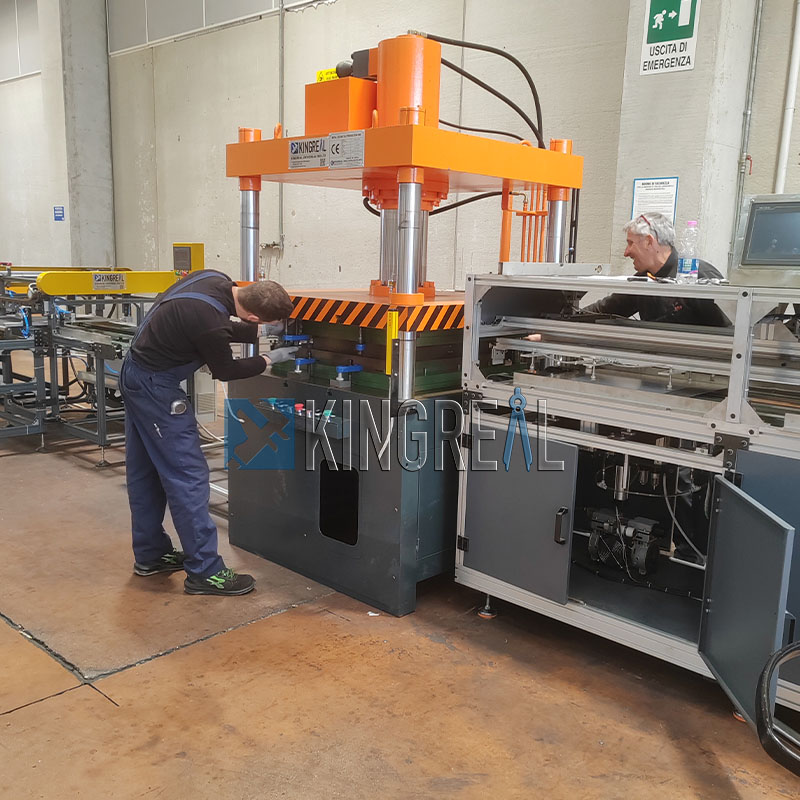
Before shipping, the quality control section of KINGREAL CEILING MACHINERY carried out thorough functional testing on all equipment to guarantee that the client's contract's criteria for production accuracy, operating speed, and system stability were satisfied. After thorough packing, inventory checking, and safe loading onto transportation cars, the whole consignment has gone to Uzbekistan.
The equipment is currently in transit and is expected to arrive at the client’s facility as scheduled.
Standardized Shipping Process
KINGREAL CEILING MACHINERY follows a regular shipping procedure including four key phases—packing, loading, inventory check, and securing—to guarantee the equipment's safety during lengthy overseas travel.
1. Professional Packing Procedures
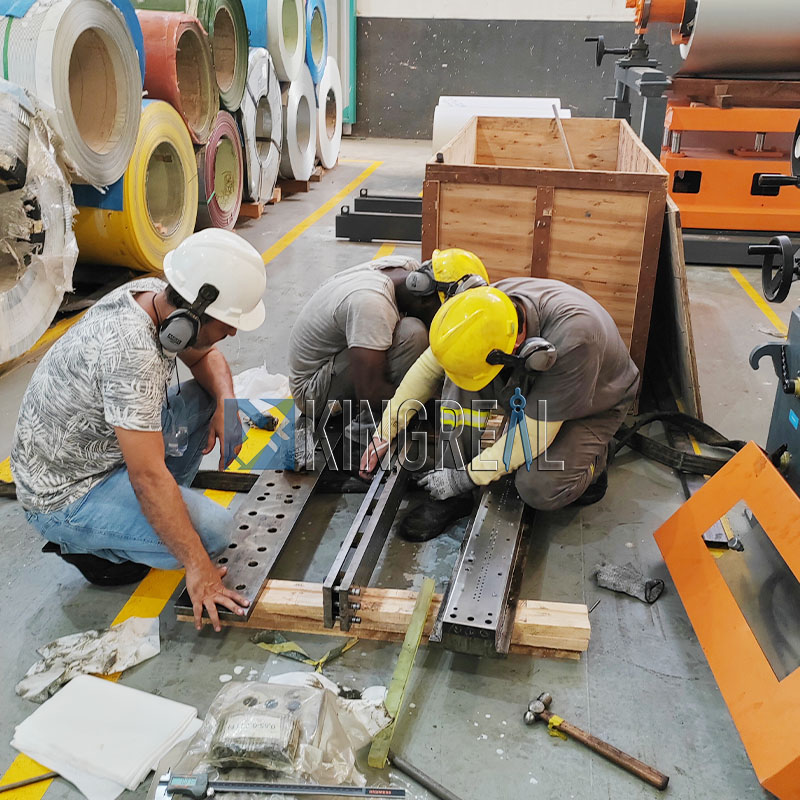
To get ready, KINGREAL CEILING MACHINERY staff turned off the machine and emptied any remaining lubricants from the systems before component by component disassembling the equipment for separate packing.
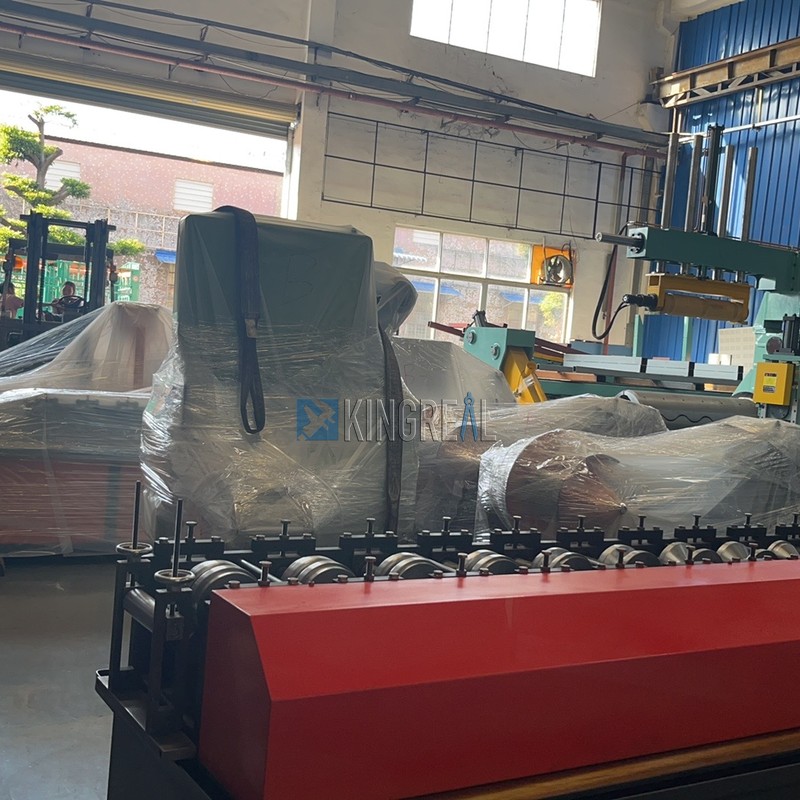
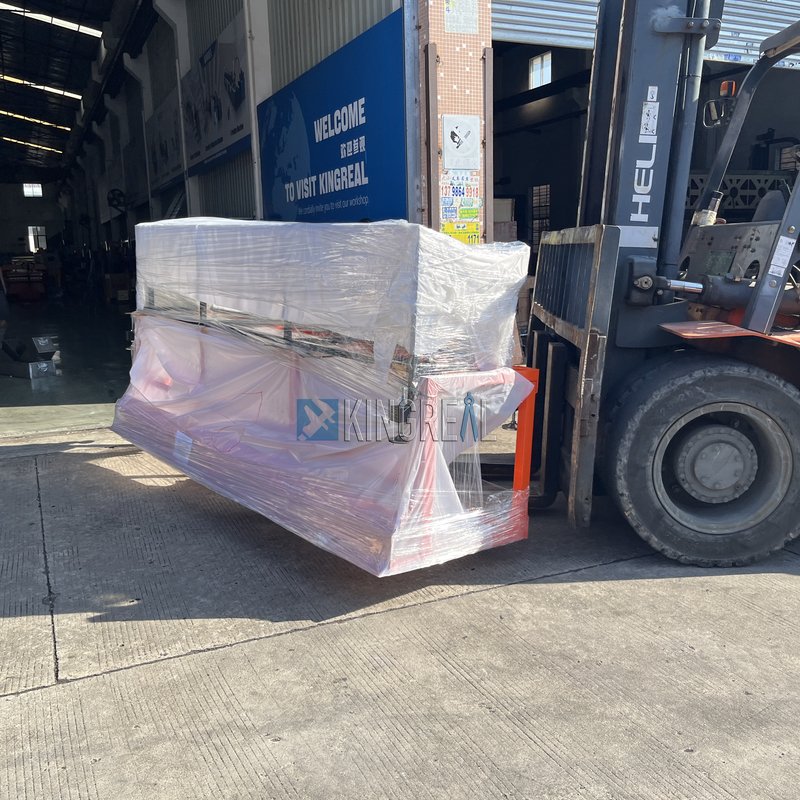
●Rust and Moisture Protection: Given the potential for climate variations during international transit, the main equipment components were wrapped in multiple layers of heavy-duty plastic film. This creates a protective barrier against moisture and dust, preventing corrosion on metal surfaces.
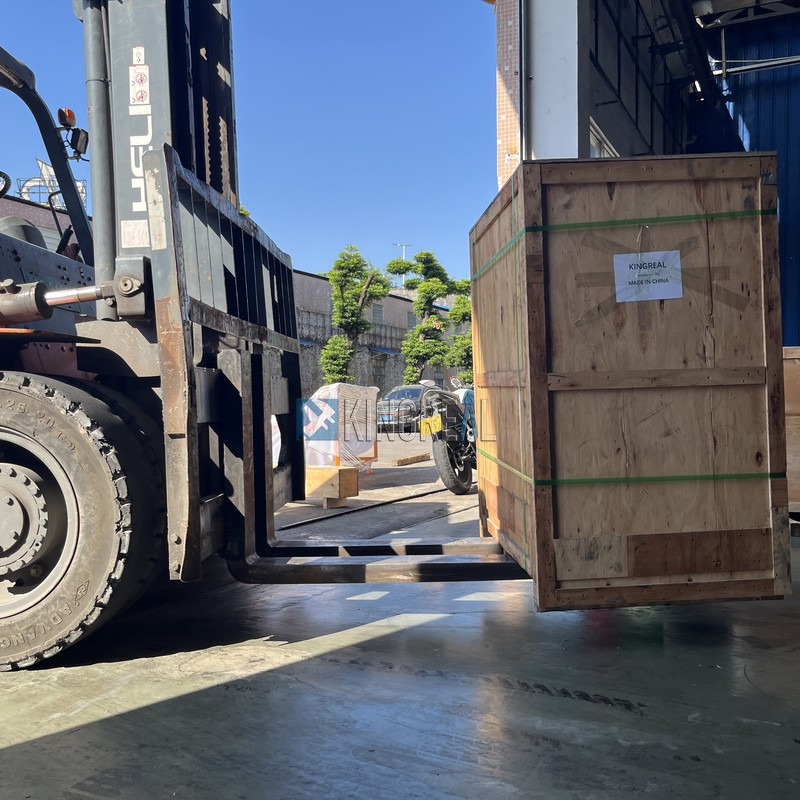
●Protection of Critical Components: Sensitive electronic components—such as electrical control cabinets and servo motors—were packed into reinforced wooden crates. The interiors of these crates are lined with cushioning materials to absorb shocks and vibrations encountered during transport.
●Loading Operations: Once packed, the equipment components were carefully moved onto transport vehicles using a combination of forklifts and heavy-duty cranes, following a pre-planned loading sequence.
2. Precise Inventory Verification
●Packing List Reconciliation: Warehouse personnel verified each item against the packing list, scanning and recording every component as it was loaded. This includes not only the main frame and roll-forming dies, but also a comprehensive range of smaller components, such as spare cutting blades, sensors, fasteners (bolts, etc.), and a standard toolkit.
●Final Verification: Before the truck departs, the KINGREAL CEILING MACHINERY team conducts a thorough final check to ensure that all items destined for Uzbekistan have been loaded. This rigorous process prevents any potential delays in on-site installation caused by missing parts.
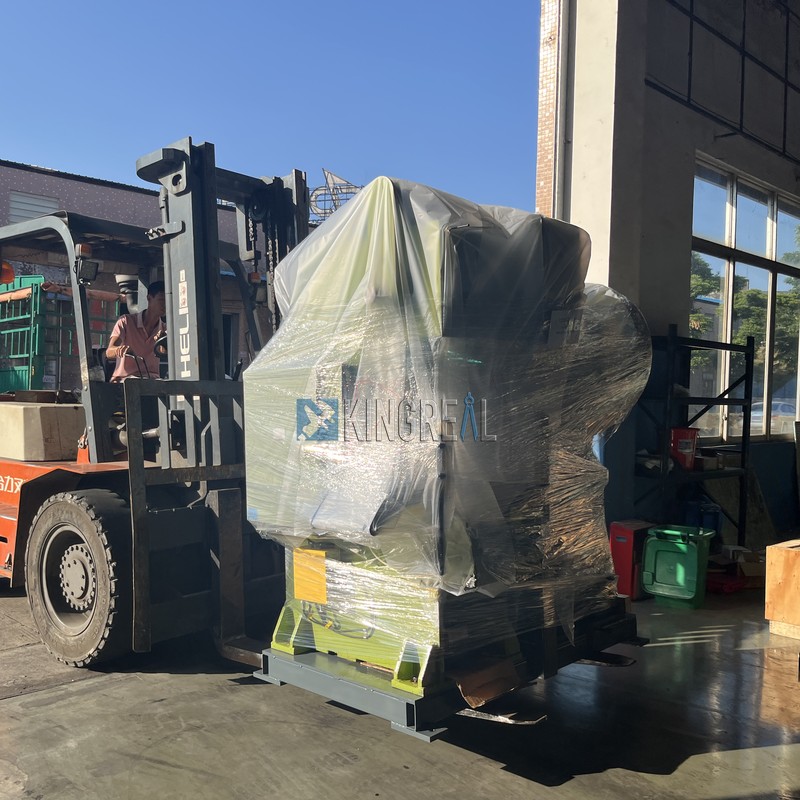
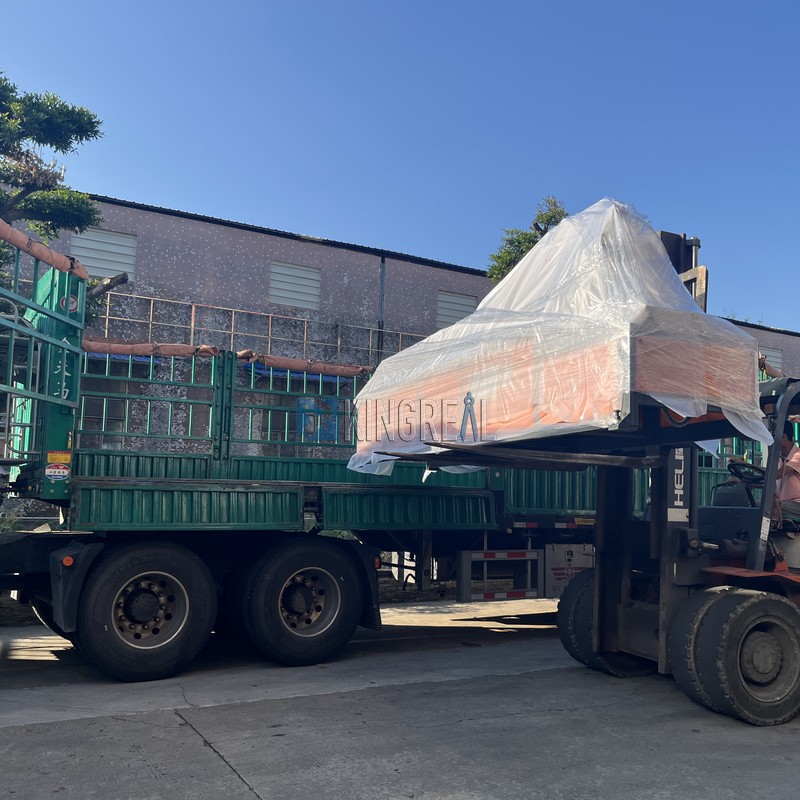
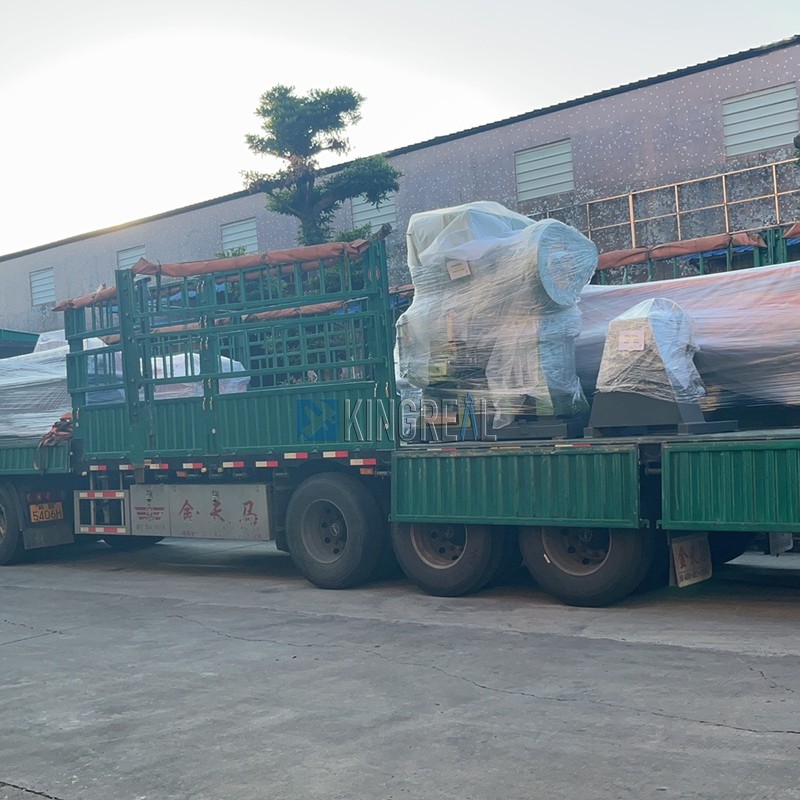
3. Secure Reinforcement and Stabilization
●Physical Separation and Support: Within the truck trailer, components are spaced safely apart. Wooden dunnage or specialized support frames are used underneath the equipment to ensure a balanced center of gravity.
●Lashing and Securing: High-strength industrial straps and tensioners are employed to firmly anchor the equipment to the truck’s chassis. Protective padding is applied at critical contact points—ensuring the equipment remains tightly secured while preventing the straps from scratching the painted surfaces—thereby guaranteeing that the machine does not shift during long-distance transit.
The KINGREAL CEILING MACHINERY team is actively tracking the shipment in real time. KINGREAL CEILING MACHINERY informs the customer in Uzbekistan of the present location of the equipment by working in close cooperation with the logistics provider. The customer may so proactively line up the needed unloading and handling means at their site.
Upon the equipment’s arrival in Uzbekistan, KINGREAL CEILING MACHINERY will immediately initiate its after-sales support protocol. Professional engineers will be dispatched to the client’s site to oversee the installation, commissioning, and testing of the entire production line, as well as to provide training for local operators. This hands-on technical handover ensures that the client can quickly master production techniques and bring the equipment to full operational capacity as soon as possible.