


What Is The Difference Between Perforation and Mesh
2026-04-26 17:00
Both perforation and mesh involve creating holes on the surface of a material. While their applications may overlap to some extent, distinct differences exist between them—whether in terms of manufacturing processes, product characteristics, end-use applications, or the machine used to produce them.
As an experienced machine manufacturer and supplier, KINGREAL CEILING MACHINERY offers a wide range of equipment designed to assist clients in producing both perforation and mesh. This article provides a detailed breakdown of the differences between perforation and mesh, helping you accurately distinguish between the two in practical production and applications.
Knowing these differences enables you to choose the right products and related manufacturing equipment to fit your own needs, hence improving product quality and production efficiency.
Introduction to Perforation and Mesh
Perforation:
What is Perforation?
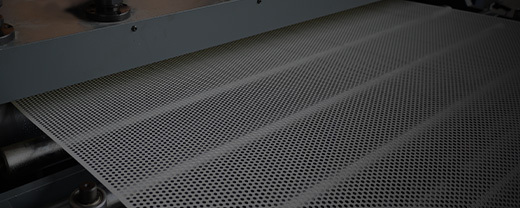
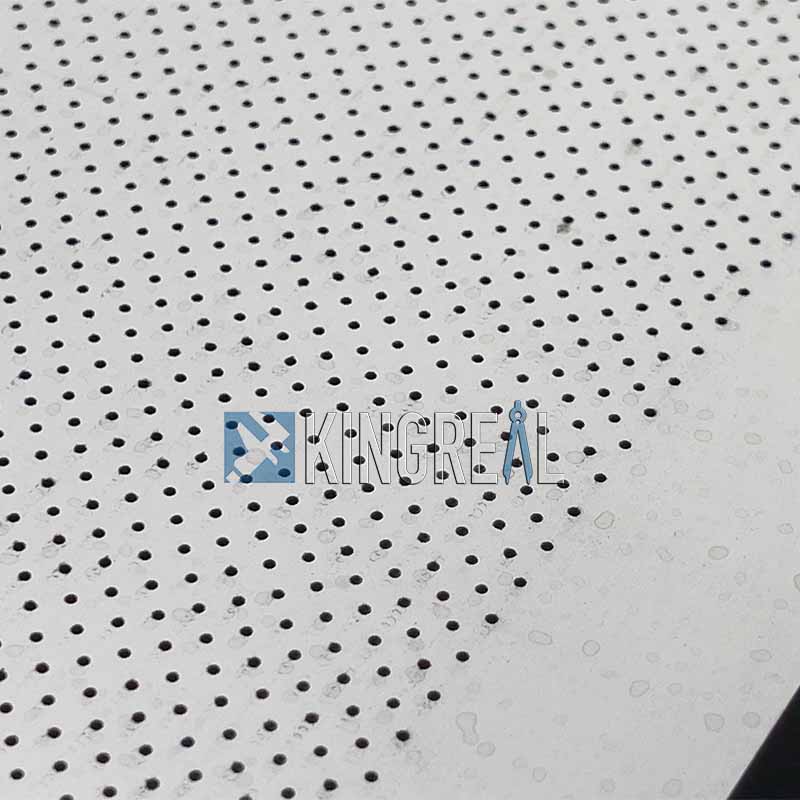
Perforation is the procedure of punching patterns, whether normal or irregular, of holes into the surface of metal sheets—functional materials. Their strong degree of customization enables them to satisfy the different and unique demands of several industries and application contexts. Perforated metal sheets come in many different thicknesses, materials, hole designs, and specifications. Round, rectangular, square, oval, and slotted forms among the most typical hole designs.
While also managing manufacturing needs for bigger diameters and varying hole densities, KINGREAL CEILING MACHINERY now can accommodate client needs for hole diameters as little as 1.0 mm.
Applications of Perforation
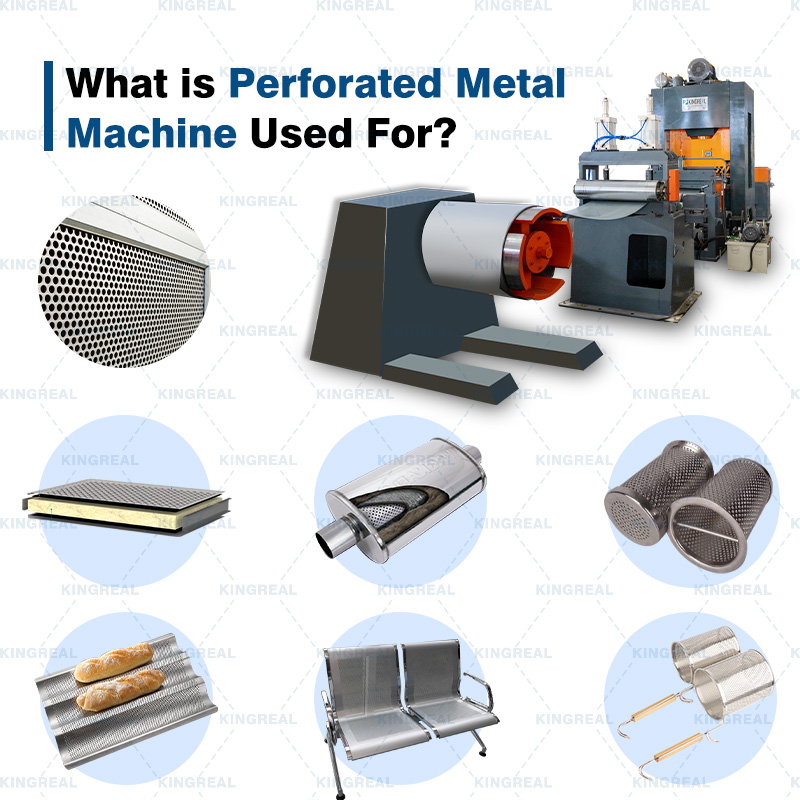
Due to their excellent customizability, flatness, and structural stability, perforated metal sheets often undergo subsequent secondary processing to adapt them for an even wider range of applications. This allows them to be transformed into finished products such as baguette pans, acoustic mufflers, filtration screens, perforated wall panels, and various other components.
Mesh:
What is Mesh?
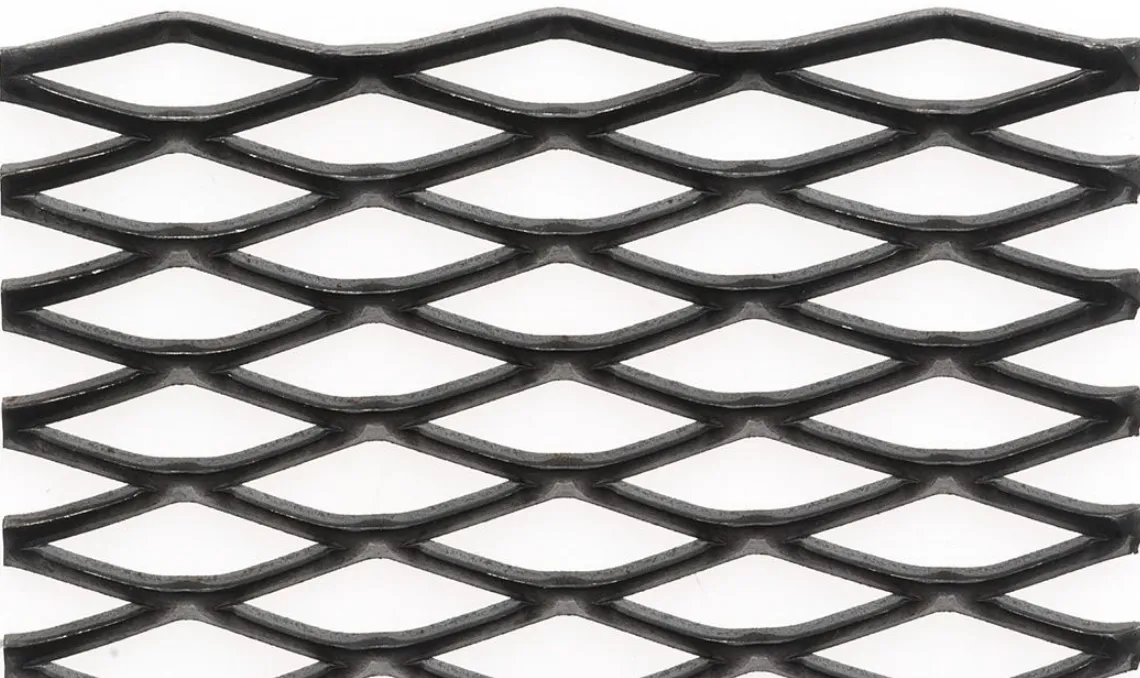
Mesh—also referred to as Expanded Metal Sheet—is a mesh-like material produced by subjecting metal sheets to a continuous process of slitting and stretching using specialized machine. Common mesh patterns for expanded metal sheets include diamond, circular, square, and hexagonal shapes.
When selecting expanded metal, the primary considerations involve the chosen sheet thickness and the dimensions of the mesh strands (ribs). These factors must be evaluated holistically in conjunction with weight constraints and structural design specifications: products featuring thicker sheets and larger mesh strands possess superior load-bearing capacities, making them ideal for heavy-duty industrial applications; conversely, products with thinner sheets and finer strands are lighter in weight, rendering them more suitable for decorative purposes, light-duty protection, and similar applications.
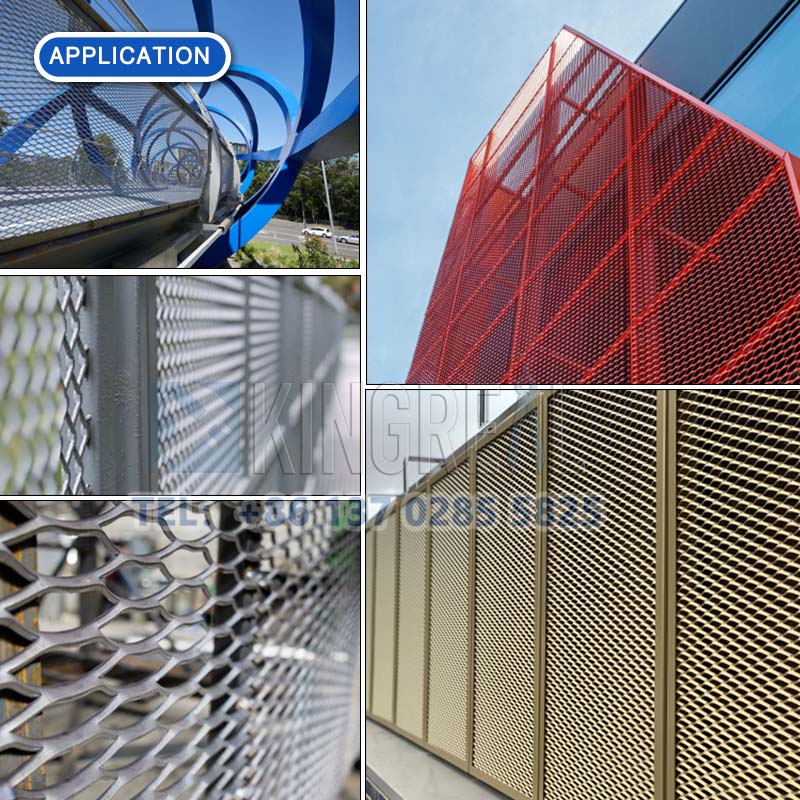
Applications of Mesh
The porous structural design of expanded metal sheets ensures optimal airflow, light transmission, and efficient drainage while simultaneously maintaining structural integrity. This unique structural advantage endows the material with indispensable utility in fields such as safety guarding, security fencing, and structural support. Its scope of application encompasses industrial walkways, machinery guards, perimeter fencing, architectural curtain walls, and concrete reinforcement, spanning across diverse sectors including manufacturing, construction, and transportation.
How are Perforation and Mesh Manufactured?
Perforated metals and expanded meshes are produced using different types of machinery: perforated metals are manufactured on a perforated metal machine, while expanded meshes are produced on an expanded metal mesh making machine. These two types of equipment differ significantly in their design principles, manufacturing processes, and functional characteristics, each being tailored to meet the specific production requirements of its respective product. Drawing on years of industry experience, KINGREAL CEILING MACHINERY has developed and manufactured a diverse range of perforated metal machines and expanded metal mesh making machines—available in various specifications—to accommodate the unique production characteristics of different products, thereby satisfying the varying capacity, precision, and customization needs of different clients.
(1) Introduction to Perforated Metal Machine
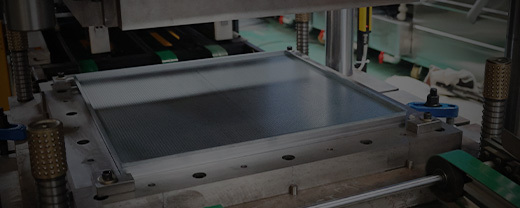
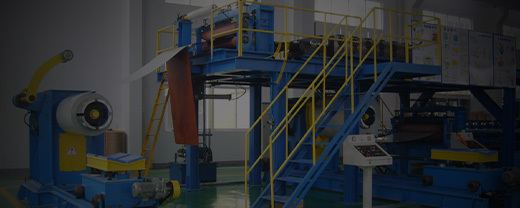
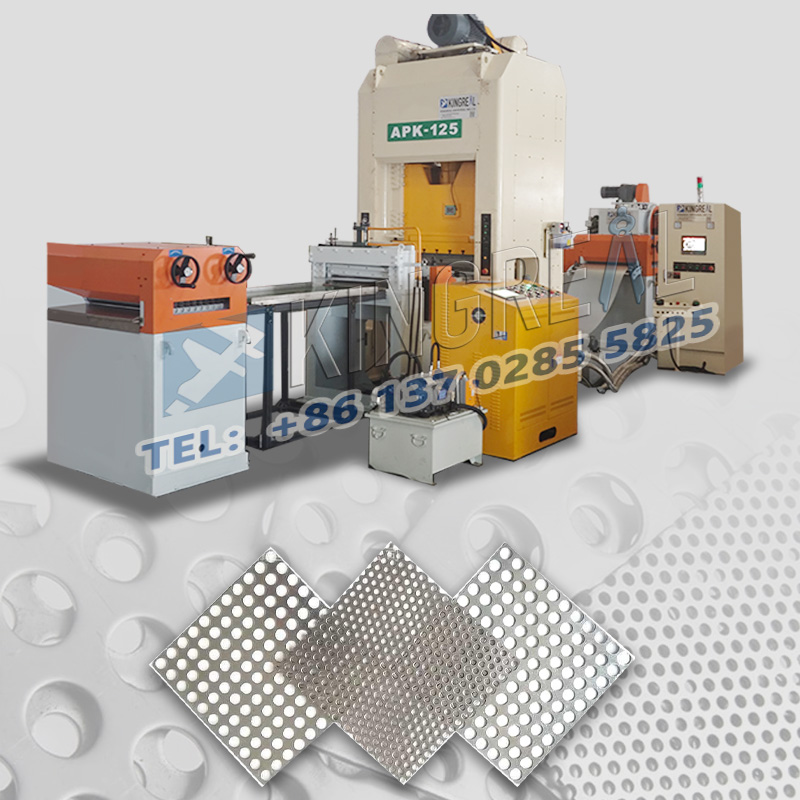
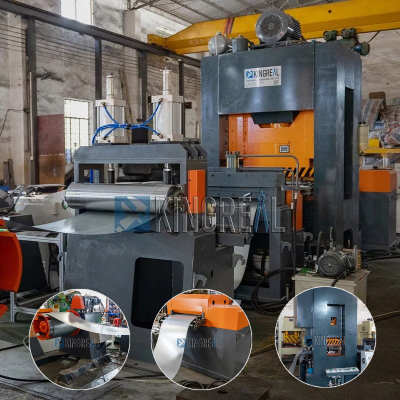
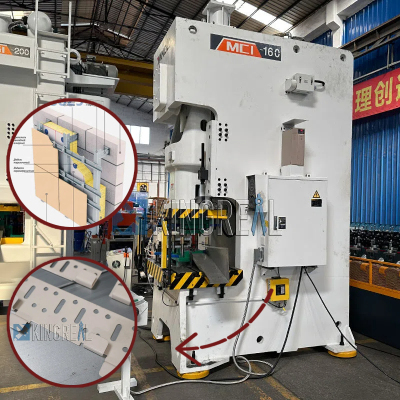
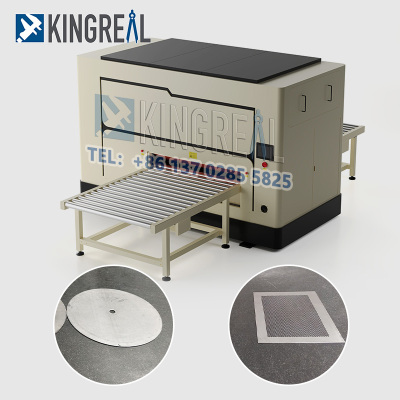
Perforated metal machines are specifically designed for the production of perforated metal sheets or coils. Their core function involves using precise stamping mechanisms to punch holes—meeting specific design requirements—into the surface of metal sheets or coils. The design and configuration of a perforated metal machine are determined by specific production requirements, taking into account factors such as hole pattern, material width, material type, and material thickness. Accordingly, KINGREAL CEILING MACHINERY equips perforated metal machines with punching presses of varying tonnages—including 125-ton, 160-ton, and 200-ton models—to suit different production scenarios. Furthermore, to accommodate diverse processing requirements, KINGREAL CEILING MACHINERY offers two distinct types of systems: coil to coil perforation lines and metal sheet perforated machines.
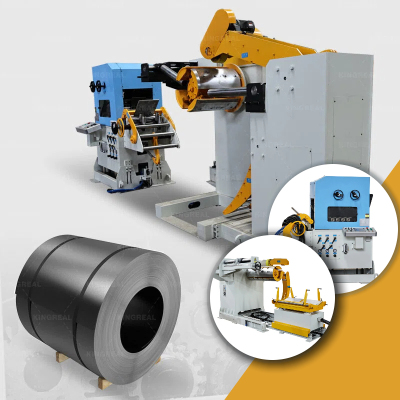
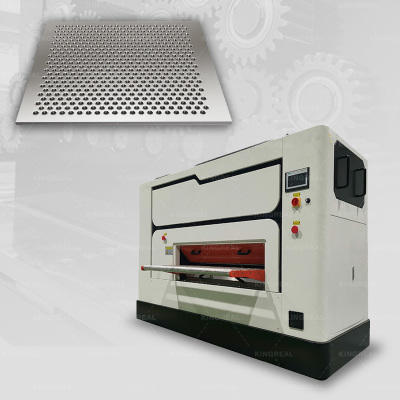
To further enhance the level of end-to-end production automation for clients—and thereby reduce labor costs—KINGREAL CEILING MACHINERY also offers optional auxiliary equipment, such as feeding trolleys, metal sheet cleaning machines, and unloading trolleys. The perforated metal machine features digital controls, ensuring ease of operation while allowing for precise regulation of punching accuracy and speed. Capable of processing a wide variety of hole patterns and material types, these systems effectively meet the diverse and differentiated needs of clients across various industries.
(2) Introduction to Expanded Metal Mesh Making Machine
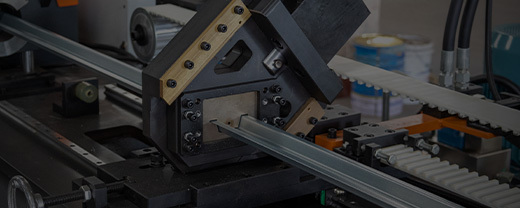
Expanded metal mesh making machines are specifically designed for the production of expanded metal sheets. Their manufacturing principle differs fundamentally from that of expanded metal mesh making machines: through a continuous process of stamping and cutting, the machine slits the metal sheet and then stretches it to create a mesh-like material characterized by uniform mesh openings. Tailored to meet specific client project requirements, these expanded metal mesh making machines are designed with a wide range of production capacities and tonnage specifications to choose from. Common models include 6.3T, 16T, 25T, 40T, 63T, 100T, 160T, and 260T, with each model meticulously engineered to address distinct production needs.
To further differentiate solutions for various production scenarios, KINGREAL CEILING MACHINERY categorizes expanded metal mesh making machine into three types: Standard, High-Speed, and Heavy-Duty. The Standard expanded metal mesh making machines achieve a maximum speed of 300SPM; High-Speed expanded metal mesh making machines can reach up to 1000SPM; and Heavy-Duty expanded metal mesh making machines are capable of reaching 220SPM.
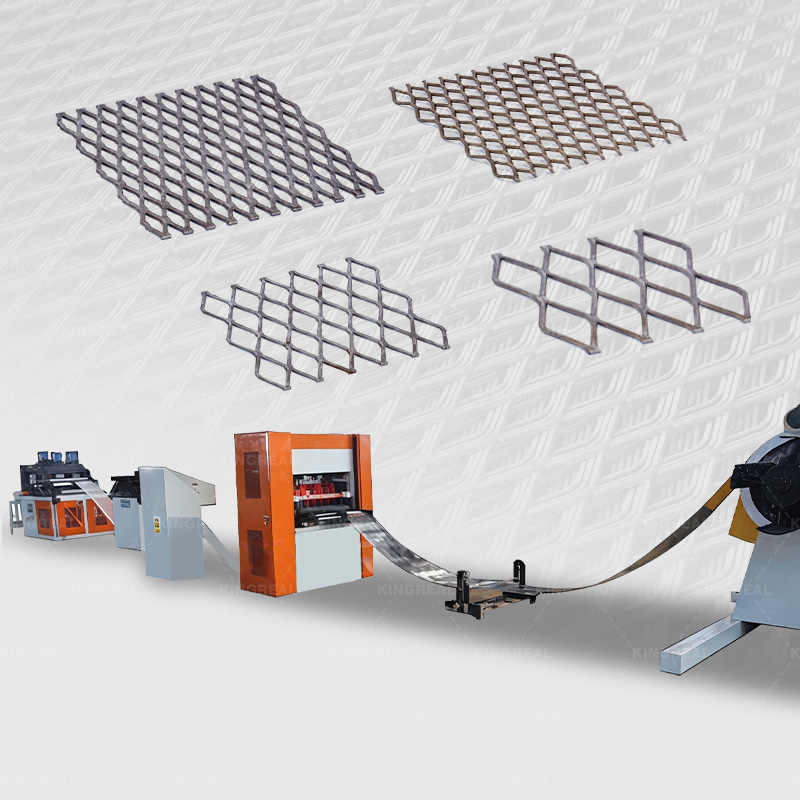
KINGREAL CEILING MACHINERY offers comprehensive solutions including perforated metal machines, expanded metal mesh making machines, and various ancillary equipment.
For more detailed information regarding our perforated metal machines and expanded metal mesh making machine, or to discuss specific equipment customization needs, please feel free to contact KINGREAL CEILING MACHINERY at any time!
Related News
More >-
![Sheet Metal Production Line for Shelving Brackets]()
Sheet Metal Production Line for Shelving Brackets
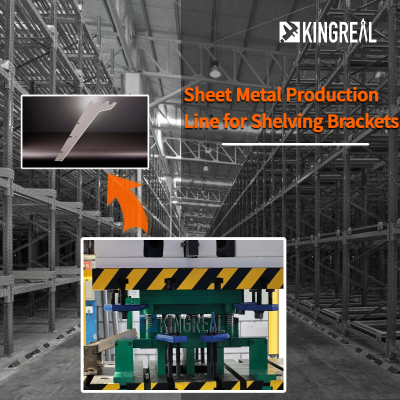
The sheet metal production line for shelving brackets is specifically designed for the manufacturing of shelving brackets. This metal sheet production line for shelving brackets offers the flexibility to accommodate materials of various sheet metal thicknesses. The shelving brackets produced by this sheet metal production line for shelving brackets integrate seamlessly with the profiles produced by pallet rack making machines; when utilized together in shelving system installations, they form a robust, stable, and high-load-bearing shelving structure. These systems are widely deployed in a variety of settings requiring products storage—including warehouses, retail stores, logistics centers, and cold chain storage facilities.
-
![How to Prolong Service Life of Perforated Metal Machine?]()
How to Prolong Service Life of Perforated Metal Machine?
The perforated metal machine, sometimes also known as the across perforated metal machine, is specifically designed for performing a series of processes such as unwinding, leveling, and punching on metal coils.
-
![Comprehensive Guide to Decoiler Straightener And Feeder]()
Comprehensive Guide to Decoiler Straightener And Feeder
The decoiler straightener and feeder integrates three core functions: uncoiling, leveling, and feeding. With its high efficiency, precision, and integration, it has become a core piece of equipment in industries such as automotive manufacturing, home appliance production, and hardware processing. Moreover, the integrated design of the decoiler-straightener-feeder guarantees flawless functioning across the whole process and steadily manages several materials including stainless steel, carbon steel, and aluminum sheets.
-
![CNC Roller Leveling Machine|Metal Processing Machinery]()
CNC Roller Leveling Machine|Metal Processing Machinery
In the realm of modern metal processing machinery, the cnc roller leveling machine bears the critical mission of optimizing material precision and enhancing product quality. This metal sheet leveling machine is capable of precisely handling a wide variety of metal materials ranging in thickness from 0.1 mm to 20 mm. Its scope of application is exceptionally broad, encompassing diverse processing objects such as metal sheets, rods, parts, mesh, and strips. Whether dealing with delicate aluminum foil, precision copper sheets, or heavy-gauge carbon and stainless steel plates, the cnc roller leveling machine consistently delivers outstanding leveling results.
-
![Power Press Machine for Metal Brackets in Facade System]()
Power Press Machine for Metal Brackets in Facade System
Power press machines are capable of producing metal brackets in a wide variety of shapes and sizes. These metal brackets are widely utilized across numerous sectors, particularly within the facade systems of the construction industry. Metal brackets created by progressive die mechanical presses may be seen in the facade systems of practically all kinds of structures, from commercial towers and public facilities to high-performance housing complexes. These metal brackets serve not just structural support but also a vital part in features like aesthetics, safety, and durability.
-
![The Ultimate Guide to Sheet Metal Leveling Machine]()
The Ultimate Guide to Sheet Metal Leveling Machine
Sheet metal leveling machines play a crucial role in the metalworking industry. Regardless of the specific processing technique employed, the use of a metal sheet leveling machine constitutes the essential first step. This sheet metal leveling machine is designed to process metal sheets—which may have developed deformations or accumulated internal stresses due to manufacturing, handling, or storage—by passing them between sets of upper and lower rollers to achieve surface flatness. This procedure is great readying for next operations including as shearing, punching, and shaping. Moreover, this process greatly lowers material waste as well as guarantees the dimensional accuracy of the final parts.
-
![Metal Bracket Production Line for Ceiling Accessories]()
Metal Bracket Production Line for Ceiling Accessories
In modern interior design, suspended ceilings are sometimes intertwined with ceiling accessories. These components of a complete suspended ceiling system are essential pieces since they help to guarantee the beauty, reliability, and safety of the suspended ceiling installation.
-
![What are Decorative Suspended Strip Ceiling Panel Machines Used for?]()
What are Decorative Suspended Strip Ceiling Panel Machines Used for?
Decorative suspended strip ceiling panel machines are specifically designed for producing linear strip ceilings. Through continuous processes of raw material feeding, leveling, forming, and cutting, they process metal materials into finished linear strip ceilings for use in suspended ceiling systems. Linear strip ceilings produced by these decorative suspended strip ceiling panel machines not only offer an aesthetically pleasing appearance but also boast advantages such as easy installation, high overall strength, lightweight construction, and fire and moisture resistance, meeting the needs of modern architecture. Linear strip ceilings produced using these linear strip ceiling machines are widely used in office buildings, subways, airports, hotels, and other settings. They enable rapid installation and flexible adjustments without relying on additional infrastructure, enhancing the visual appeal of the space while also improving construction efficiency and maintenance convenience.

Get the latest price? We'll respond as soon as possible(within 12 hours)