


Perforated Sheet: Fabrication, Application and Patterns
2025-12-06 17:00
Perforated sheets have wide applications in modern industry and construction. This article will delve into the diverse uses of perforated sheets, covering a detailed analysis from manufacturing processes to applications.
We will focus on the following topics:
1/What are perforated sheets?
2/How are perforated sheets manufactured?
3/Grades of materials used,
4/The perforation designs and patterns,
5/Perforated sheets applications in different fields.
1/What are Perforated Sheets?
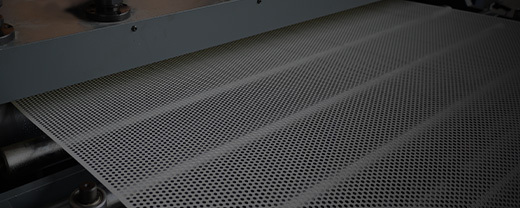
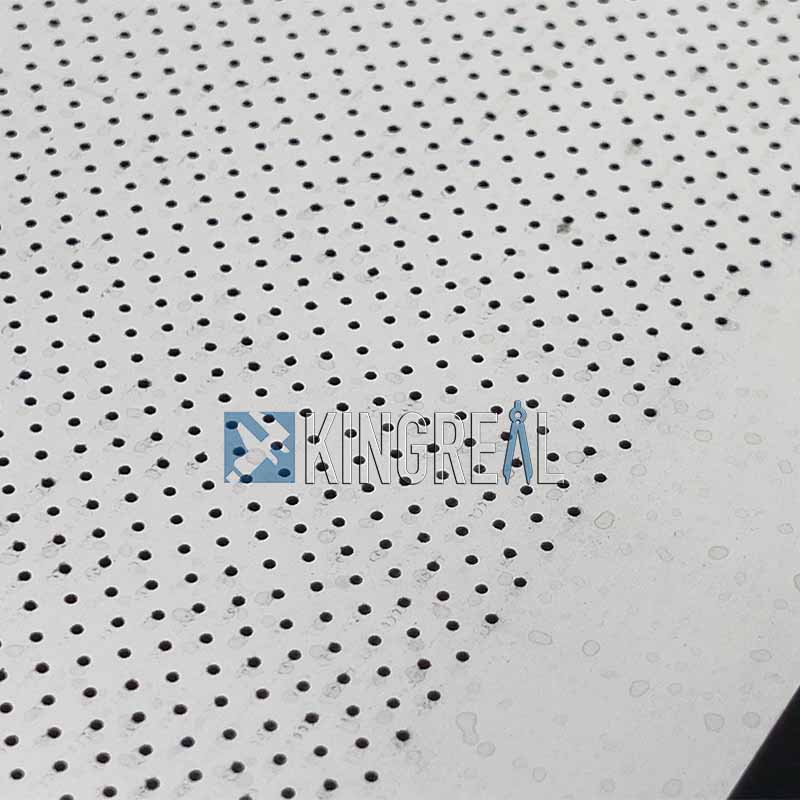
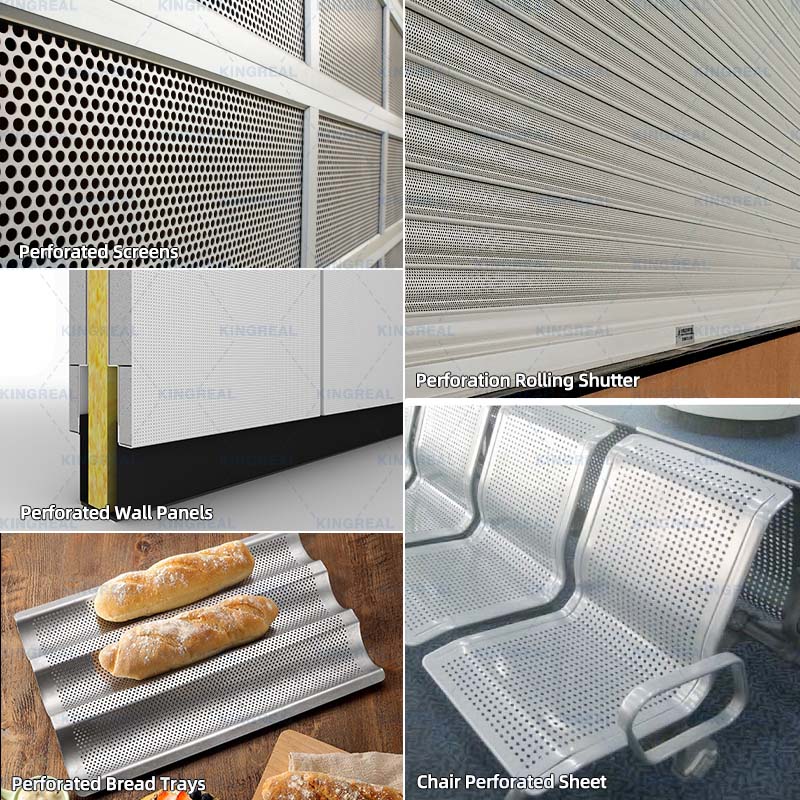
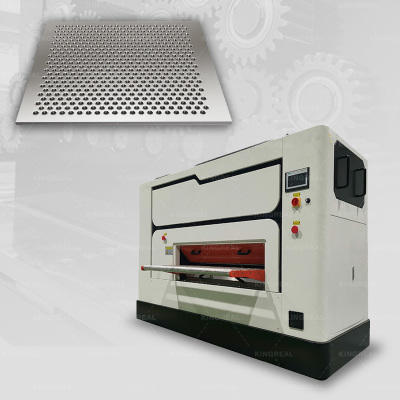
Perforated sheets are created by punching holes in the surface of metal materials using stamping technology. They are commonly used in the manufacture of perforated wall panels, motorcycle mufflers, and other components. Perforated sheets not only play an important role in structural support and sound insulation, but also regulate light, enhance the stability of railings, and provide filtration functions. Their great flexibility lets perforated sheets be readily modified with different patterns and designs as needed while still keeping strength, stability, and durability. Thus, widely employed in several structures and installations, perforated sheets have become an essential component of contemporary architectural design and industrial manufacture.
2/How are Perforated Sheets Manufactured?
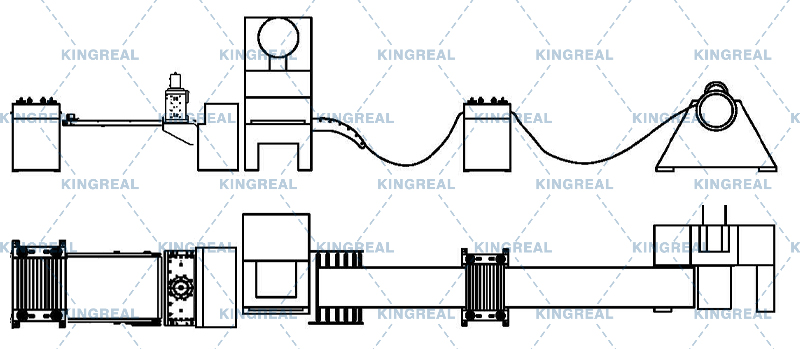
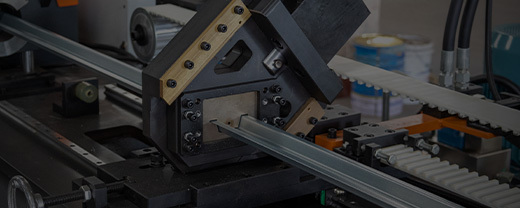
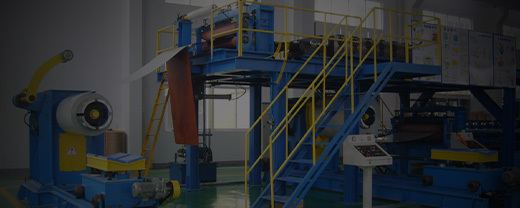
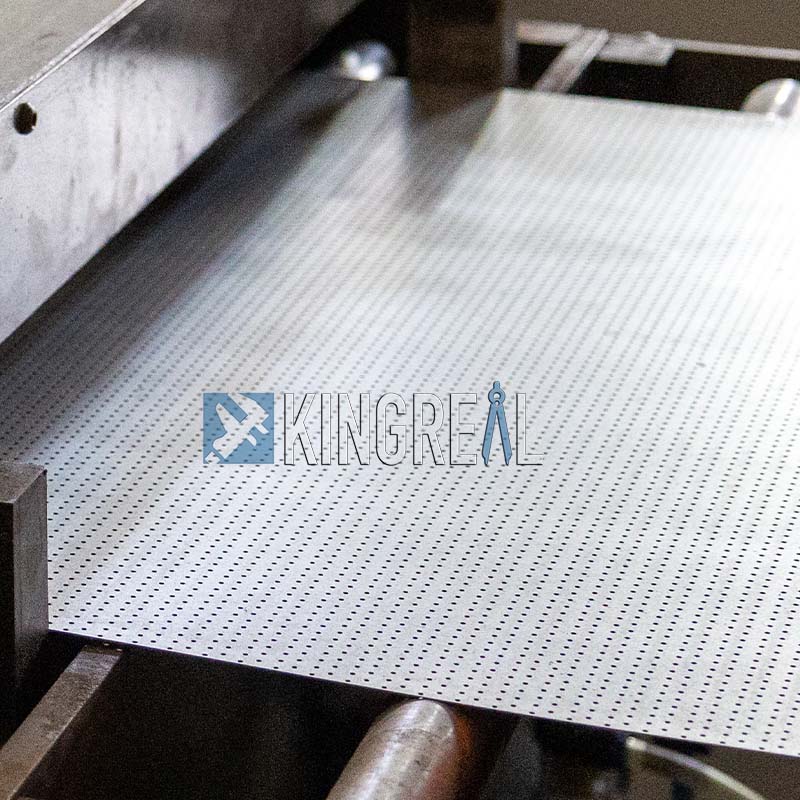
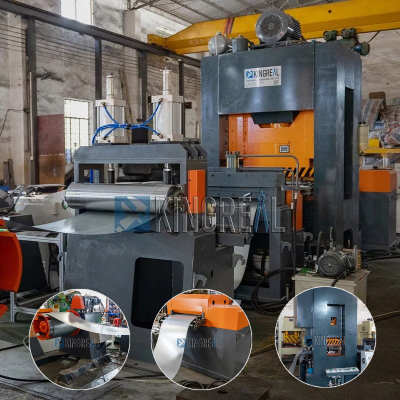
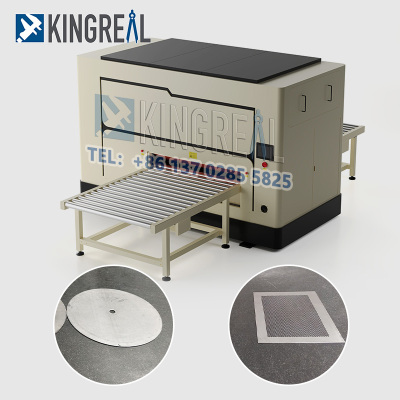
The production of perforated sheets is typically carried out using advanced metal perforated making machines. The production process includes uncoiling, leveling, punching, and post-processing.
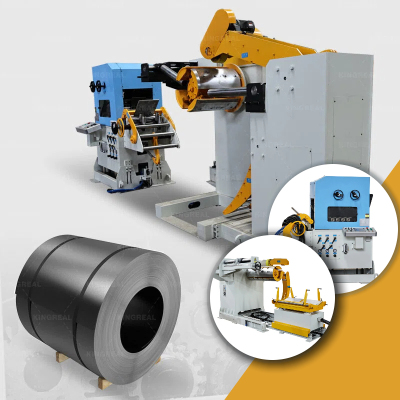
-Uncoiling and Leveling: First, the metal coil is processed by the combined action of a decoiler and a leveler to ensure a smooth surface.
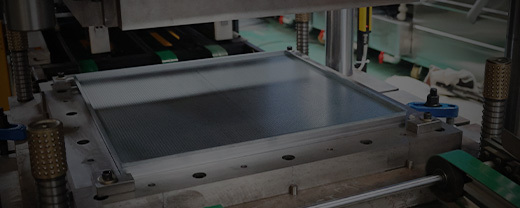
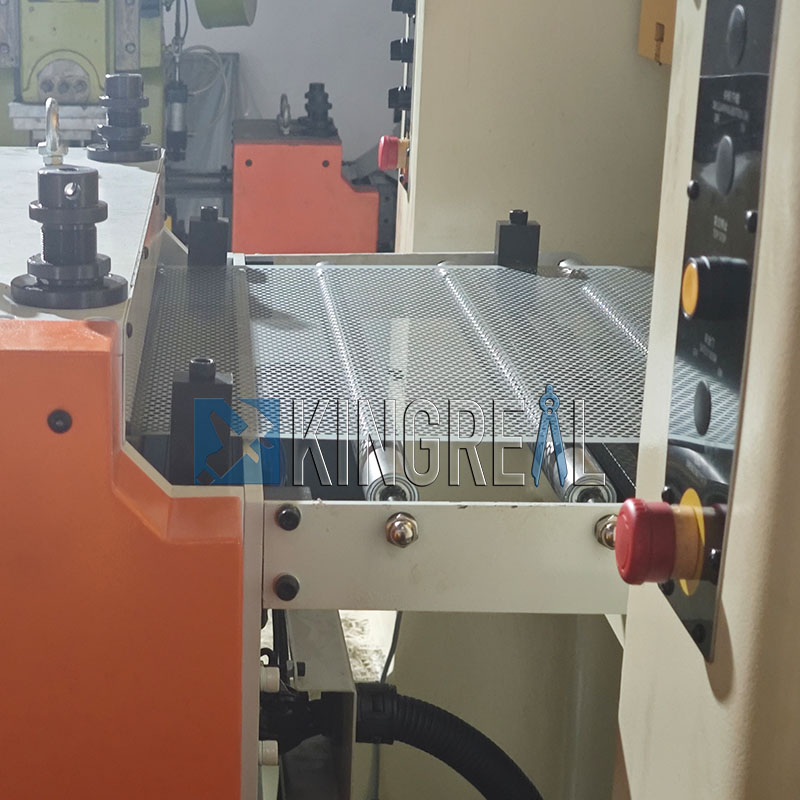
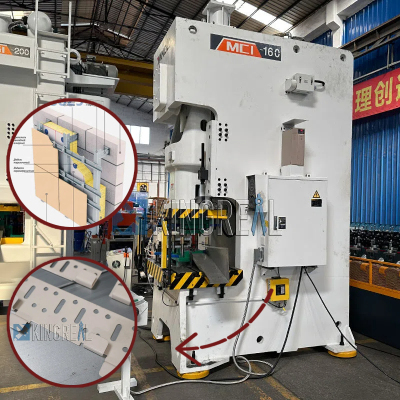
-Punching: Punching is the core step in perforated sheet manufacturing. This process uses metal sheet perforated machines and specialized dies, custom-made according to customer-provided drawings. The precision of the punching dies determines the quality of the finished product; typically, high-precision dies ensure the consistency of the pattern on each perforated sheet.
-Automated Control: Modern metal perforated making machines are equipped with PLC control panel. After parameters are set on the control panel, the metal sheet perforated machine automatically executes the operation, achieving efficient large-scale production.
-Versatility: Given the demands for load-bearing capacity and perforated sheet thickness in several application situations, KINGREAL CEILING MACHINERY metal sheet perforated machine can process many different metal materials and provide various thickness choices. To allow for more design freedom, for instance, ornamental perforated sheets are often composed of thinner sheets; while heavier, more strong materials are needed to guarantee sufficient load-bearing capability and longevity in steel mesh and railings utilized for structural support.
3/Grades of Materials Used
Perforated sheets are typically produced from a variety of materials. Depending on the application requirements, they can be classified into the following grades and their characteristics:
●Stainless Steel:
Grades: 304 (06Cr19Ni10), 316 (06Cr17Ni12Mo2), 430 (10Cr17).
Characteristics: Corrosion resistant and high-temperature resistant, suitable for chemical, marine, and decorative applications.
●Carbon Steel:
Grades: Q235 (ordinary carbon steel), SPCC (cold-rolled sheet), SGCC (galvanized sheet).
Characteristics: Low cost, high strength, but requires surface treatment (such as powder coating or galvanizing) to prevent rust.
●Aluminum and Aluminum Alloys:
Grades: 1060 (pure aluminum), 5052 (aluminum-magnesium alloy), 6061 (aluminum-magnesium-silicon alloy).
Properties: Lightweight, corrosion-resistant, suitable for building curtain walls, etc.
●Other Materials:
Copper (H62, T2): Excellent electrical conductivity, suitable for electromagnetic shielding.
Titanium (Gr1, Gr2): High biocompatibility, commonly used in medical equipment.
International Grade Comparison:
304 Stainless Steel → AISI 304 (American Standard), SUS304 (Japanese Standard).
6061 Aluminum Alloy → AA6061 (American Standard), EN AW-6061 (European Standard).

4/The Perforation Designs and Patterns
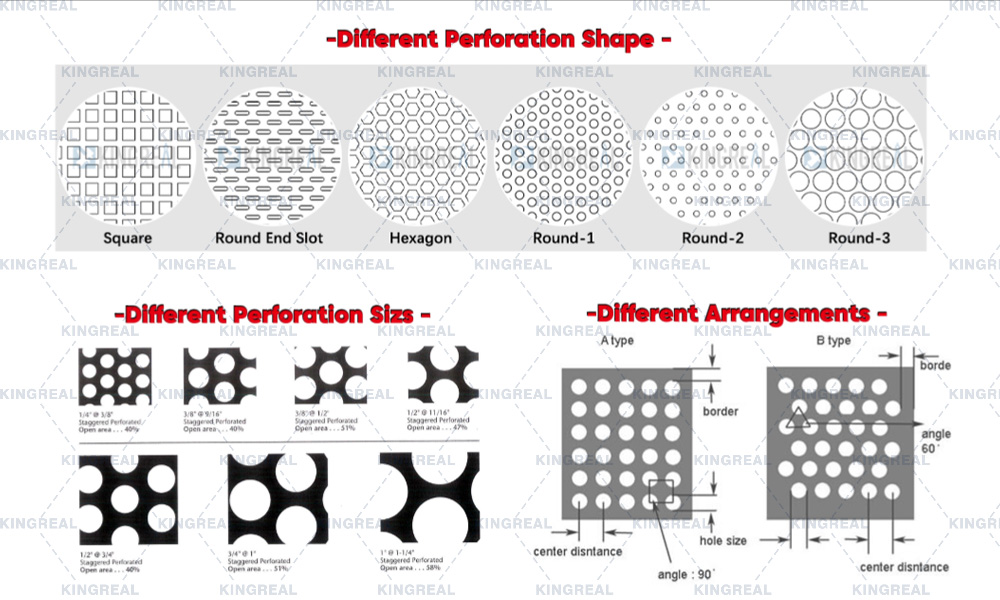
The aesthetics and functionality of perforated sheets largely depend on their pattern design. KINGREAL CEILING MACHINERY can customize various punching dies according to customer needs, meeting the requirements of different hole shapes and diameters.
●Common Hole Types
-Round Holes: Highly versatile, suitable for ventilation and screening applications, such as building facades.
-Square/Rectangular Holes: Highly decorative, suitable for mechanical protection, such as equipment fences.
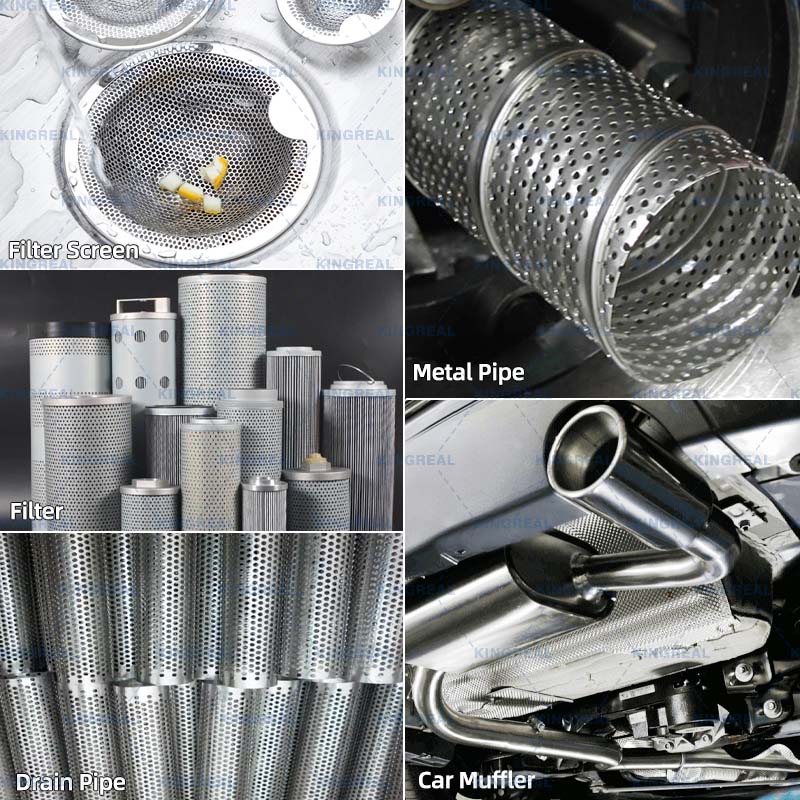
-Hexagonal Holes: Achieve lightweight and high load-bearing capacity with their honeycomb structure, suitable for automotive filters.
-Irregular Hole Shapes: Includes rhomboid, quincunx, and cross-shaped holes to meet special design requirements.
●Arrangement
Straight-line: Holes are center-aligned, simple to process, and low in cost.
Staggered Arrangement (Queen Cuboid): Holes are staggered, enhancing strength and shielding effect.
5/Perforated Sheets Applications in Different Fields
1. Acoustic Applications: Noise Reduction and Sound Quality Optimization
Perforated sheets, as an important component of resonant sound-absorbing structures, can be combined with the underlying "air layer + sound-absorbing cotton" to effectively absorb sound waves of specific frequencies through the resonance effect of the holes and the air layer. For example, perforated panels improve low-frequency sound quality in speakers; in automobiles, they effectively reduce wind and road noise, improving cabin quietness; and in the casings of air conditioners and washing machines, they reduce noise generated by motor vibrations.
2. Fluid Control: Gas-Liquid Filtration and Uniform Distribution
Perforated panels utilize the "blocking + conducting" properties of their perforations to control the flow path and speed of gases or liquids. In industrial equipment and environmental systems, perforated plates can be used as primary filter layers to block large particles from entering the system, thereby enhancing equipment operating efficiency. In wastewater treatment and chemical reactions, perforated plates ensure uniform contact of reactants, improving reaction efficiency.
3. Structural Protection: Safety Isolation and Load Buffering
In the field of safety isolation, the strength of perforated plates combined with the "pressure relief/weight reduction" characteristics of their perforations allows for protection without excessive structural weight. In complex environments, such as flammable and explosive locations, perforated panels effectively relieve pressure, preventing equipment damage due to excessive internal pressure.
4. Decorative Effects: Visual Enhancement and Light and Shadow Creation
Many times utilized as decorative elements in architectural and interior design, perforated sheets create distinct light and shadow effects under illumination as well as visual interest via various patterns and arrangements. Perforated sheets may conform to several modern architectural trends thanks to their design flexibility.
KINGREAL CEILING MACHINERY, as a professional metal perforated making machine manufacturer, is committed to providing customers with high-quality, customized perforated sheet solutions. If you have further interest or needs regarding perforated sheets and their applications, please contact KINGREAL CEILING MACHINERY for more information.
Related News
More >-
![Sheet Metal Production Line for Shelving Brackets]()
Sheet Metal Production Line for Shelving Brackets
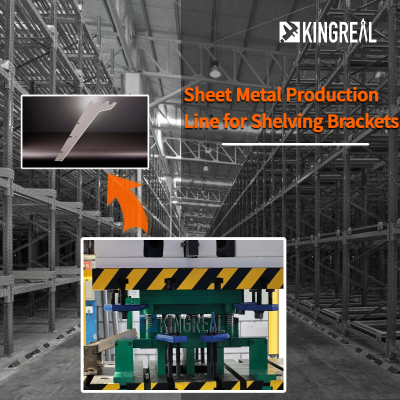
The sheet metal production line for shelving brackets is specifically designed for the manufacturing of shelving brackets. This metal sheet production line for shelving brackets offers the flexibility to accommodate materials of various sheet metal thicknesses. The shelving brackets produced by this sheet metal production line for shelving brackets integrate seamlessly with the profiles produced by pallet rack making machines; when utilized together in shelving system installations, they form a robust, stable, and high-load-bearing shelving structure. These systems are widely deployed in a variety of settings requiring products storage—including warehouses, retail stores, logistics centers, and cold chain storage facilities.
-
![How to Prolong Service Life of Perforated Metal Machine?]()
How to Prolong Service Life of Perforated Metal Machine?
The perforated metal machine, sometimes also known as the across perforated metal machine, is specifically designed for performing a series of processes such as unwinding, leveling, and punching on metal coils.
-
![Comprehensive Guide to Decoiler Straightener And Feeder]()
Comprehensive Guide to Decoiler Straightener And Feeder
The decoiler straightener and feeder integrates three core functions: uncoiling, leveling, and feeding. With its high efficiency, precision, and integration, it has become a core piece of equipment in industries such as automotive manufacturing, home appliance production, and hardware processing. Moreover, the integrated design of the decoiler-straightener-feeder guarantees flawless functioning across the whole process and steadily manages several materials including stainless steel, carbon steel, and aluminum sheets.
-
![CNC Roller Leveling Machine|Metal Processing Machinery]()
CNC Roller Leveling Machine|Metal Processing Machinery
In the realm of modern metal processing machinery, the cnc roller leveling machine bears the critical mission of optimizing material precision and enhancing product quality. This metal sheet leveling machine is capable of precisely handling a wide variety of metal materials ranging in thickness from 0.1 mm to 20 mm. Its scope of application is exceptionally broad, encompassing diverse processing objects such as metal sheets, rods, parts, mesh, and strips. Whether dealing with delicate aluminum foil, precision copper sheets, or heavy-gauge carbon and stainless steel plates, the cnc roller leveling machine consistently delivers outstanding leveling results.
-
![Power Press Machine for Metal Brackets in Facade System]()
Power Press Machine for Metal Brackets in Facade System
Power press machines are capable of producing metal brackets in a wide variety of shapes and sizes. These metal brackets are widely utilized across numerous sectors, particularly within the facade systems of the construction industry. Metal brackets created by progressive die mechanical presses may be seen in the facade systems of practically all kinds of structures, from commercial towers and public facilities to high-performance housing complexes. These metal brackets serve not just structural support but also a vital part in features like aesthetics, safety, and durability.
-
![The Ultimate Guide to Sheet Metal Leveling Machine]()
The Ultimate Guide to Sheet Metal Leveling Machine
Sheet metal leveling machines play a crucial role in the metalworking industry. Regardless of the specific processing technique employed, the use of a metal sheet leveling machine constitutes the essential first step. This sheet metal leveling machine is designed to process metal sheets—which may have developed deformations or accumulated internal stresses due to manufacturing, handling, or storage—by passing them between sets of upper and lower rollers to achieve surface flatness. This procedure is great readying for next operations including as shearing, punching, and shaping. Moreover, this process greatly lowers material waste as well as guarantees the dimensional accuracy of the final parts.
-
![Metal Bracket Production Line for Ceiling Accessories]()
Metal Bracket Production Line for Ceiling Accessories
In modern interior design, suspended ceilings are sometimes intertwined with ceiling accessories. These components of a complete suspended ceiling system are essential pieces since they help to guarantee the beauty, reliability, and safety of the suspended ceiling installation.
-
![What are Decorative Suspended Strip Ceiling Panel Machines Used for?]()
What are Decorative Suspended Strip Ceiling Panel Machines Used for?
Decorative suspended strip ceiling panel machines are specifically designed for producing linear strip ceilings. Through continuous processes of raw material feeding, leveling, forming, and cutting, they process metal materials into finished linear strip ceilings for use in suspended ceiling systems. Linear strip ceilings produced by these decorative suspended strip ceiling panel machines not only offer an aesthetically pleasing appearance but also boast advantages such as easy installation, high overall strength, lightweight construction, and fire and moisture resistance, meeting the needs of modern architecture. Linear strip ceilings produced using these linear strip ceiling machines are widely used in office buildings, subways, airports, hotels, and other settings. They enable rapid installation and flexible adjustments without relying on additional infrastructure, enhancing the visual appeal of the space while also improving construction efficiency and maintenance convenience.

Get the latest price? We'll respond as soon as possible(within 12 hours)